


Shri Mohan Charan Majhi
Hon´ble Chief Minister,
Research projects and monitoring
Research projects and monitoring
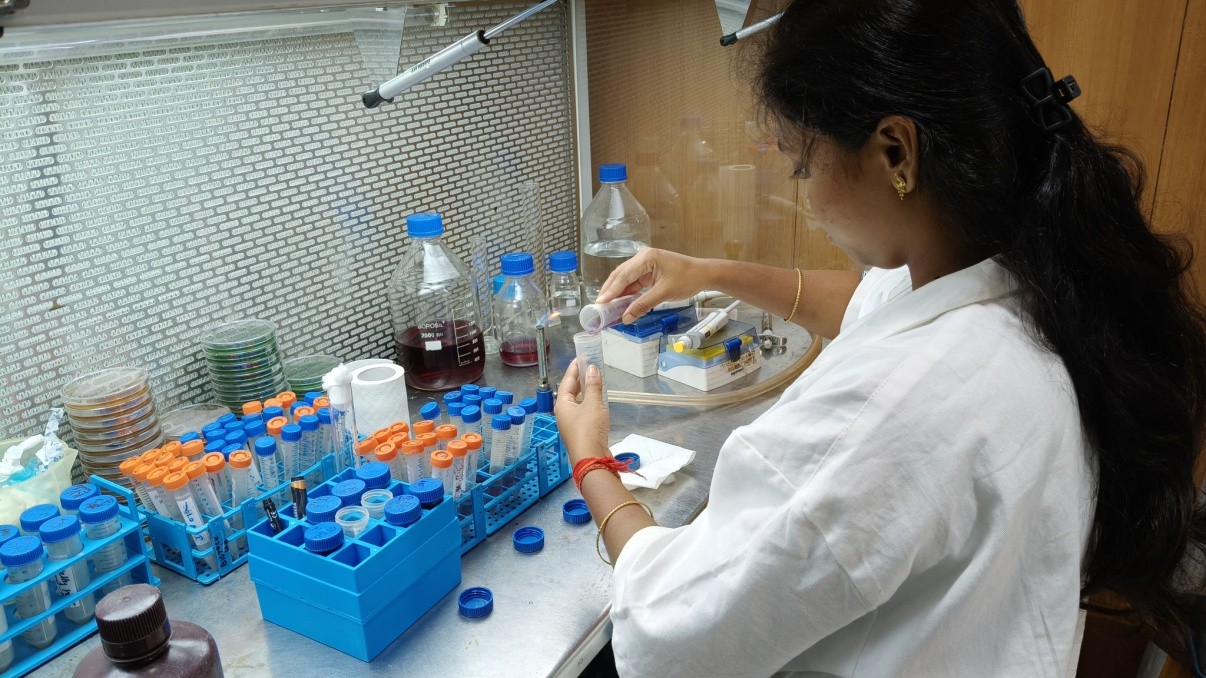
WRTC is well equipped to facilitate research in the field of molecular biotechnology, microbiology, marine biology, biogeochemistry, hydrological modeling and GIS and remote sensing, advanced oceanography, and bathymetry. The output from the studies would be incorporated in to the ecological and mathematical modeling with a decision support system for the lake. The location, facilities and accessibility to Chilika Lake makes the centre most suitable for wetland research. Research programs in the area of biogeochemistry, lake monitoring, plankton, benthos, and fishery diversity are ongoing at WRTC. The instrumentation lab is equipped with high value instruments in order to cater to the needs of study biogeochemistry of lagoon sediment and water. The facilities are extensively used for advanced research on biogeochemistry of wetlands, estuarine and coastal ecosystems. This facility is also extended to external organizations, mainly for M. Sc. dissertation, Ph.D. work and experimental studies on Chilika lagoon. Following studies are currently ongoing 1. Study on the physicochemical parameters of Chilika lagoon through monthly lake monitoring 2. Study on spatio-temporal distribution of sensitive trace metal in sediment and their geochemical fractions in Chilika lagoon 3. Estimation of budget of nutrient and their biogeochemical cycle in Chilika lagoon 4. Assessment of petroleum hydrocarbon (PHC) in Chilika 5. Study on nutrient uptake by seaweeds and macrophytes of Chilika
Lake Monitoring Program
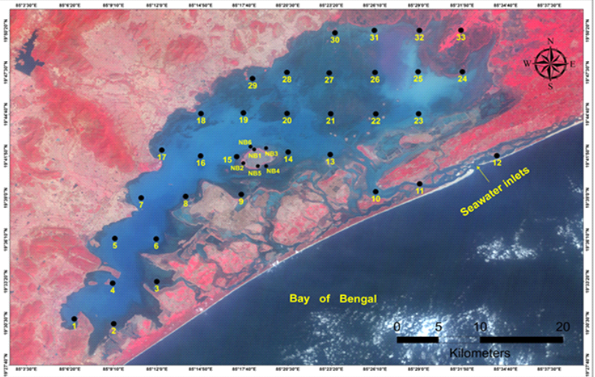
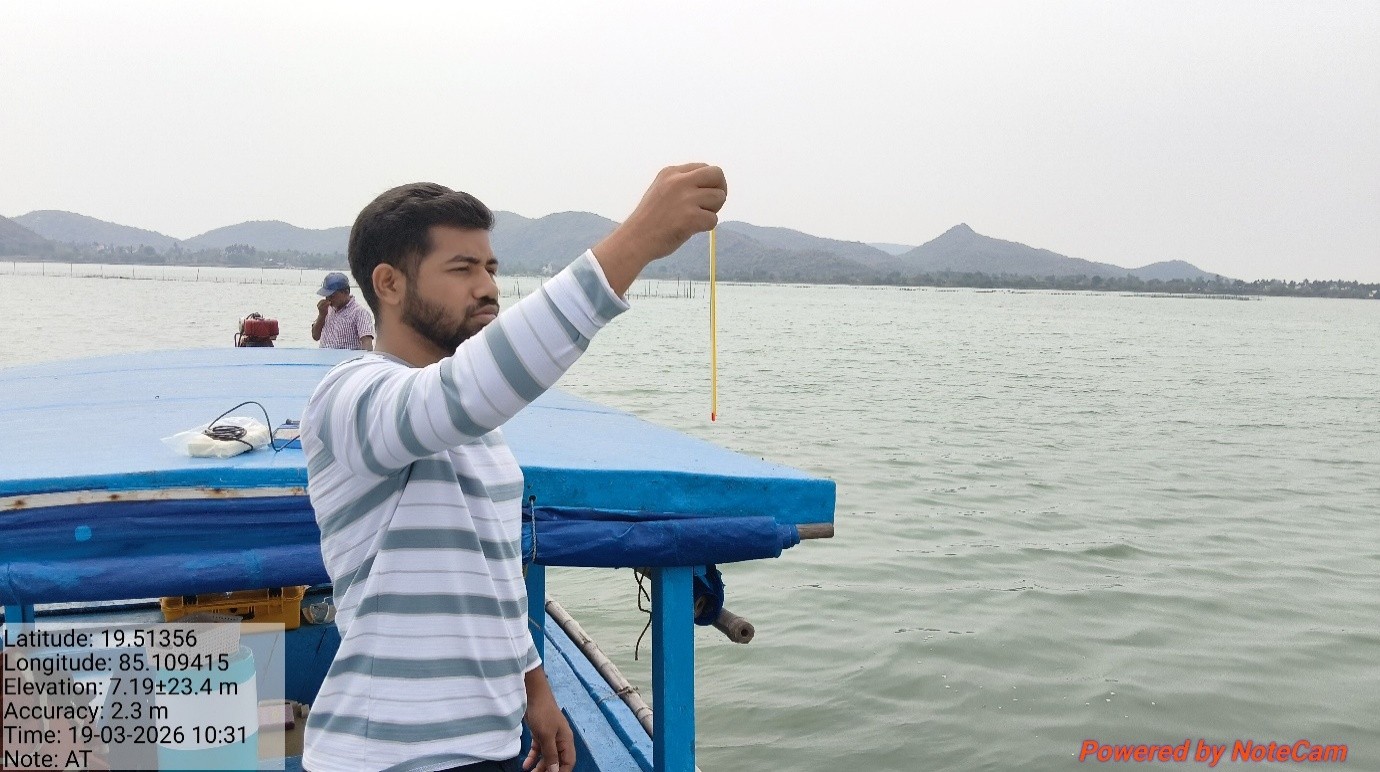
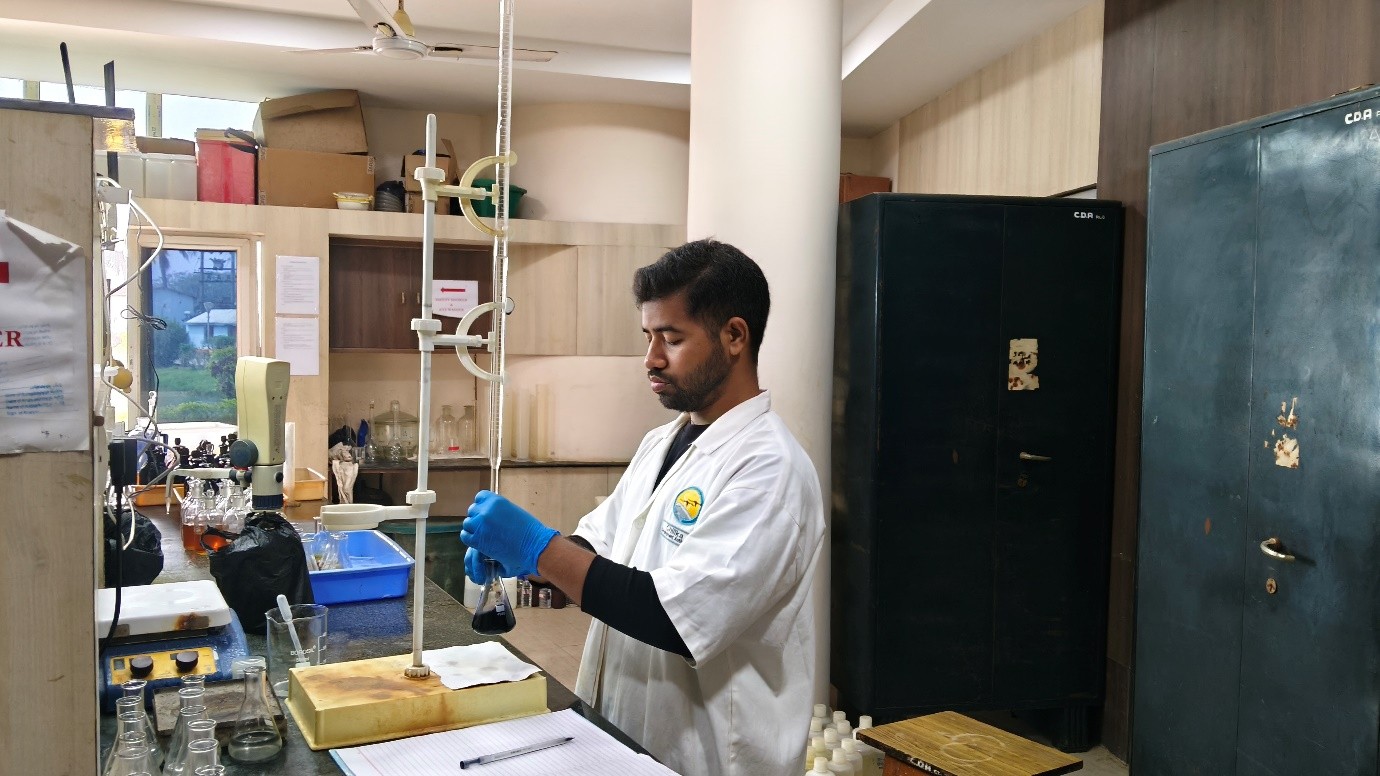
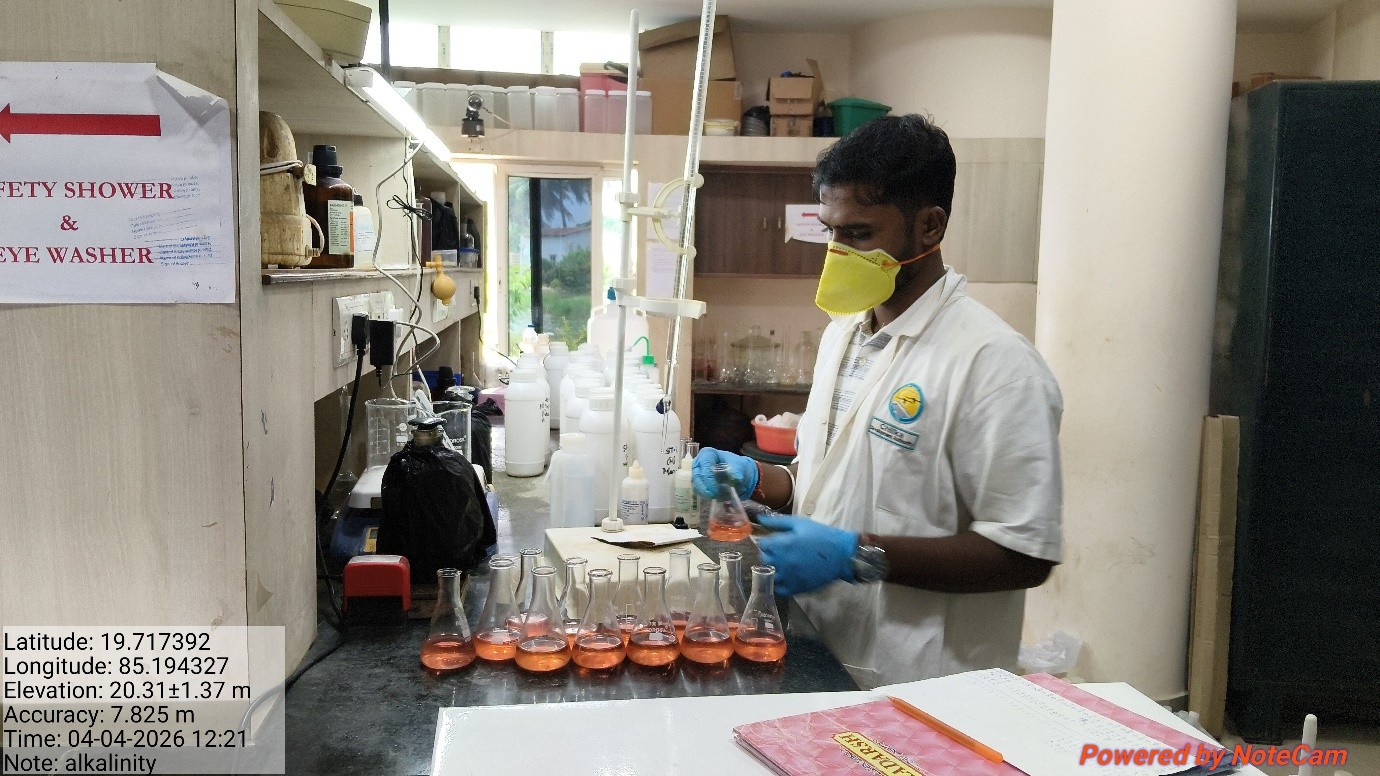
Wetland Research and Training Centre (WRTC) is currently monitoring the ecological health of Chilika Lagoon through a systematic monitoring and research program. The monitoring program measures vital physicochemical and biological parameters from lagoon such as atmospheric temperature, Water temperature, Weather condition, Wind direction, Water colour, Sediment colour, vegetation (surface and benthic), Water Depth, Water transparency, pH, Turbidity, Total alkalinity, Salinity, Dissolved Oxygen (DO), Nitrate, Nitrite, Ammonia, Silicate, Ortho-Phosphate, Total suspended materials (TSM) and Biochemical Oxygen demand (BOD). The water quality parameters recorded in March- 2026 from 33 monitoring stations across Chilika Lagoon were evaluated against the threshold limits established by the Central Pollution Control Board (CPCB), New Delhi, for bathing and commercial fishing (Class SW- II waters).
Seagrass monitoring
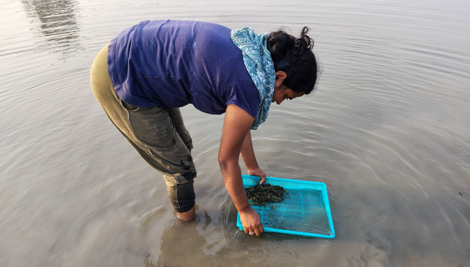
CDA under the ECRICC project is also monitoring the biomass, diversity, and distribution of seagrasses in Chilika lagoon. During the seagrass samples were collected by quadrat method (50 × 50 cm) (Tripathy et al., 2022). From deeper zones, for biomass measurement seagrass samples were collected using Van Veen grab sampler and rake. The biomass in terms of dry weight in grams per meter square was calculated for each sample for each location. Shoot density (individual shoots/m2) was calculated by counting the total number of shoots per 100 cm2 .
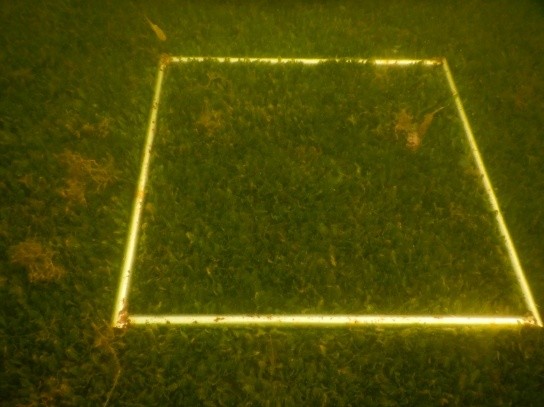 100% coverage of H.ovalis in Budhibara site in Southern sector
 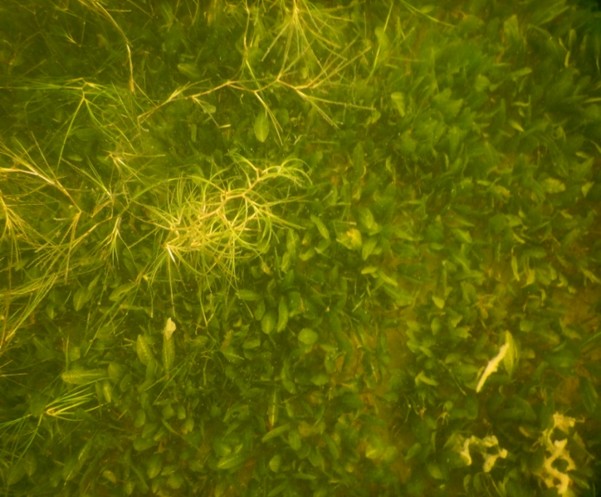 Mixed bed of Halophila ovalis with R.maritima
 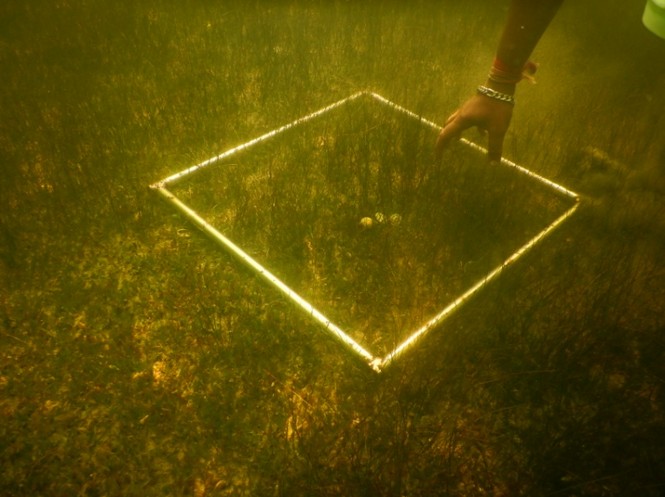 Seagrass collection from depth zone in Southern sector
Ansupa Lake Monitoring
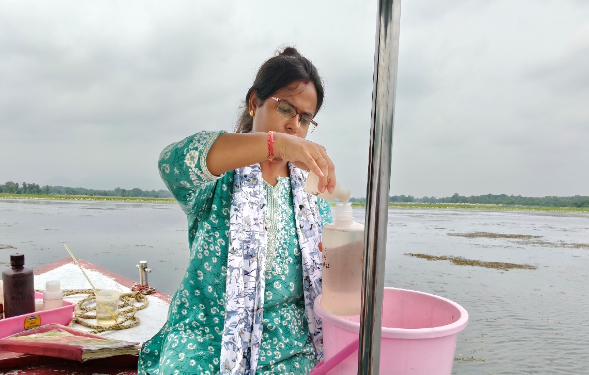
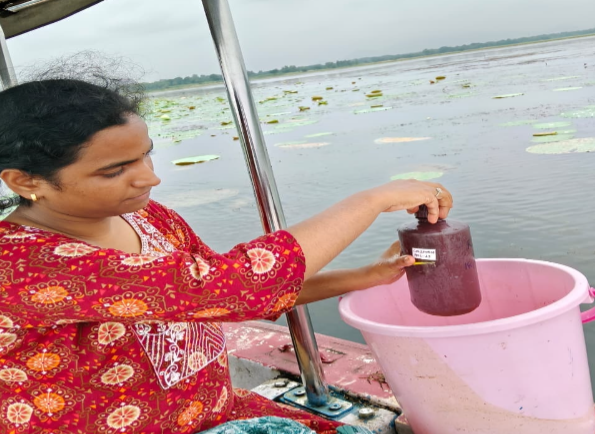
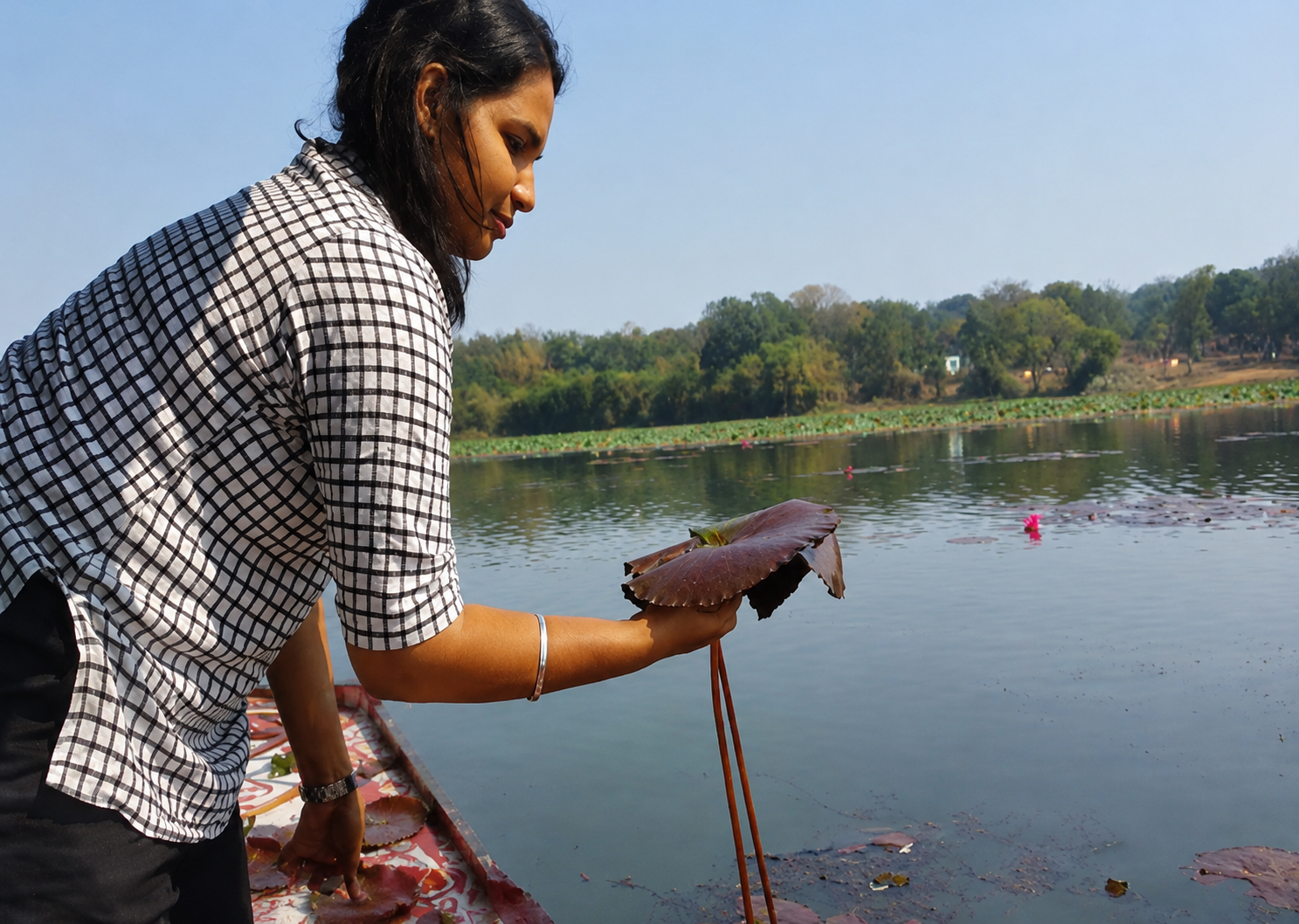
Ansupa Lake has been designated as a Ramar site (site no. 2487) on 12-10-2021. It’s typical lacustrine ecosystem spreading over an area of 382 acres is situated in the Cuttack district of Odisha. It is rich in biodiversity not only in terms of plants but also insects, fish, and birds. Ansupa, a small freshwater oxbow lake formed by the Mahanadi river, is known nationally for its scenic beauty and rich biodiversity. The lake monitoring was is conducted by the scientific team of the Chilika Development Authority from various stations which were depicted on the map (Fig.1). Water quality, macrophyte and FIB monitoring is conducted on seasonal basis from the Ansupa Lake.
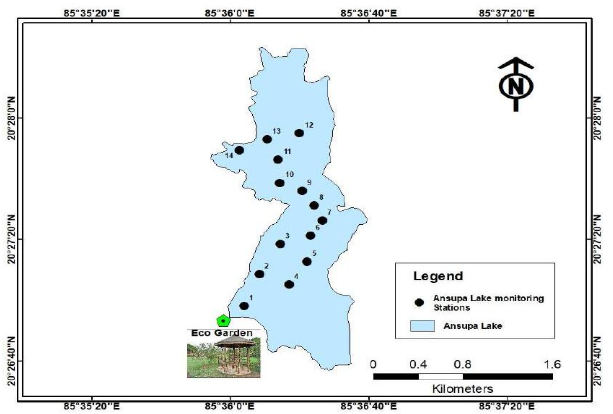
Sampling map of Ansupa Lake
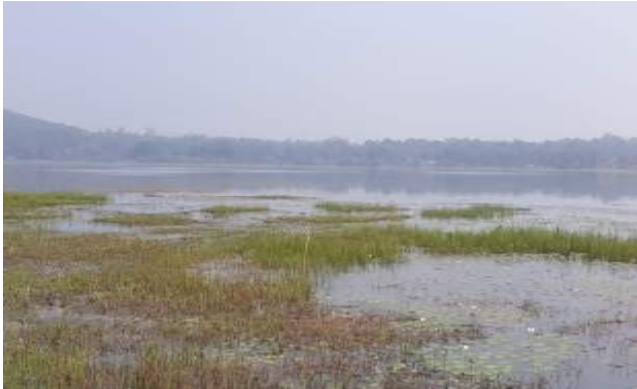
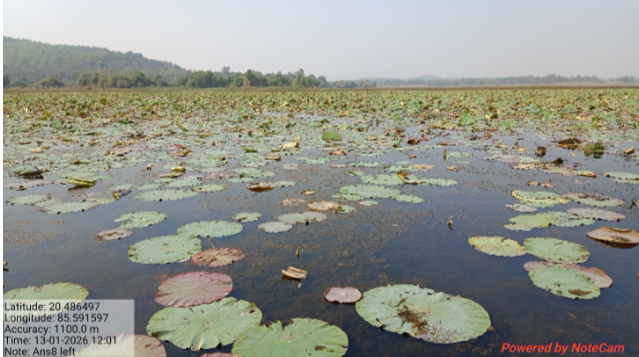
Surface view of vegetation at Ansupa Lake
Monitoring by WRTC scientific team
CHILIKA LAGOON HEALTH REPORT CARD-2023-2024
The first Chilika Health Report Card was introduced in 2012 and subsequently updated in 2014, 2016, 2018, 2020, and 2022. This initiative emerged from a collaborative project titled “Global Foundations for Reducing Nutrient Enrichment and Oxygen Depletion from Land-Based Pollution, in Support of the Global Nutrient Cycle”, jointly undertaken by the Chilika Development Authority (CDA), the National Centre for Sustainable Coastal Management (NCSCM), and the United Nations Environment Program (UNEP/GEF), in partnership with the Application Network from the University of Maryland Center for Environmental Science, USA.
The health report cards not only provide insights into the status of the lagoon’s ecological health but also raise awareness about the pressures impacting its ecological values and services. Report card-based assessments have proven to be an effective monitoring framework for the Chilika Lagoon, enabling stakeholders to track changes in ecological health over time.
Overall, Chilika lagoon scored a B+ for ecosystem health based on the performance of water quality, fisheries, and biodiversity indices. The lagoon as a whole displayed excellent (A) dissolved oxygen concentration, chlorophyll-a, phytoplankton biodiversity and fish size. The Dolphin indicator scored C and the rest of the indicators scored B. Scores of the nine indicators that were assessed within water quality, fisheries, and biodiversity are as follows: 85 % (A) in the Southern Zone followed by 84% (A) in the Outer Channel Zone, 74 % (B) in the Central Zone, and 70% (B) in the Northern Zone.